The use of SUDOSCAN® to screen for diabetic neuropathy in individuals with type 2 diabetes and prediabetes


Created in June 2005, SUDOSCAN is located in San Diego, CA, USA; the company’s corporate headquarters are in Paris, France. We service all of the North and South America, The Middle East, Europe and Asia
For professional use only, read instructions before use. This medical device is a regulated health product which bears, under this regulation, the CE mark
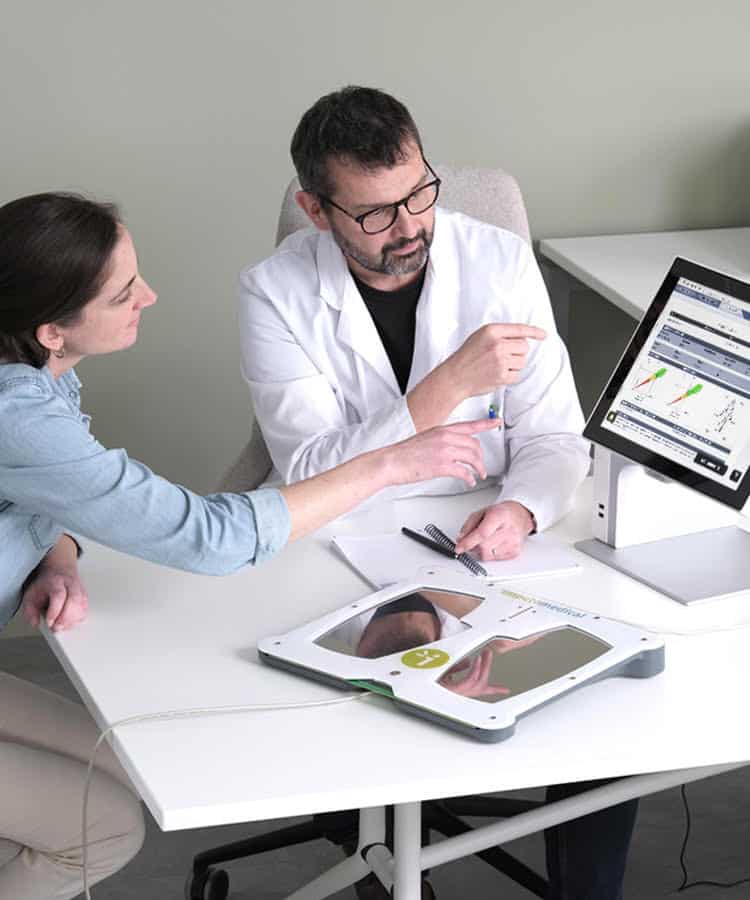
Promotional Communication. The medical devices SUDOSCAN® is cleared by the US Food and Drug Administration (FDA). The test allows screening and monitoring of peripheral autonomic neuropathies. It can be performed in diabetic patients or in patients suffering from neurological diseases involving small fibers damage. As with any diagnostic test, its results must be interpreted in a global context including the clinic and other examinations performed. Please read the user manual instructions carefully. Contact our office for more information. Last update: 05/10/2023