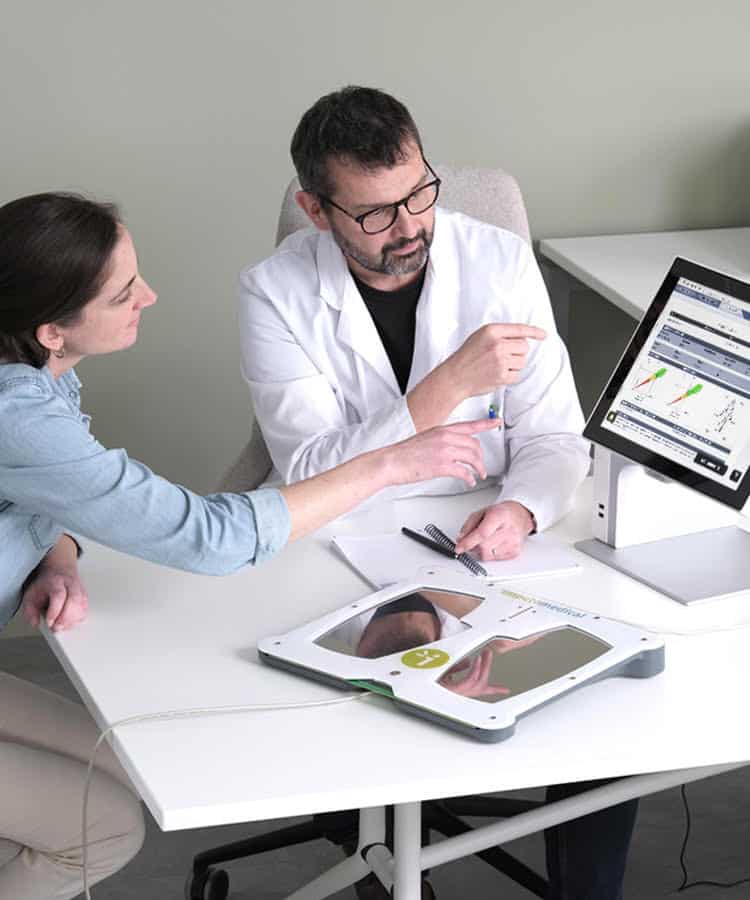
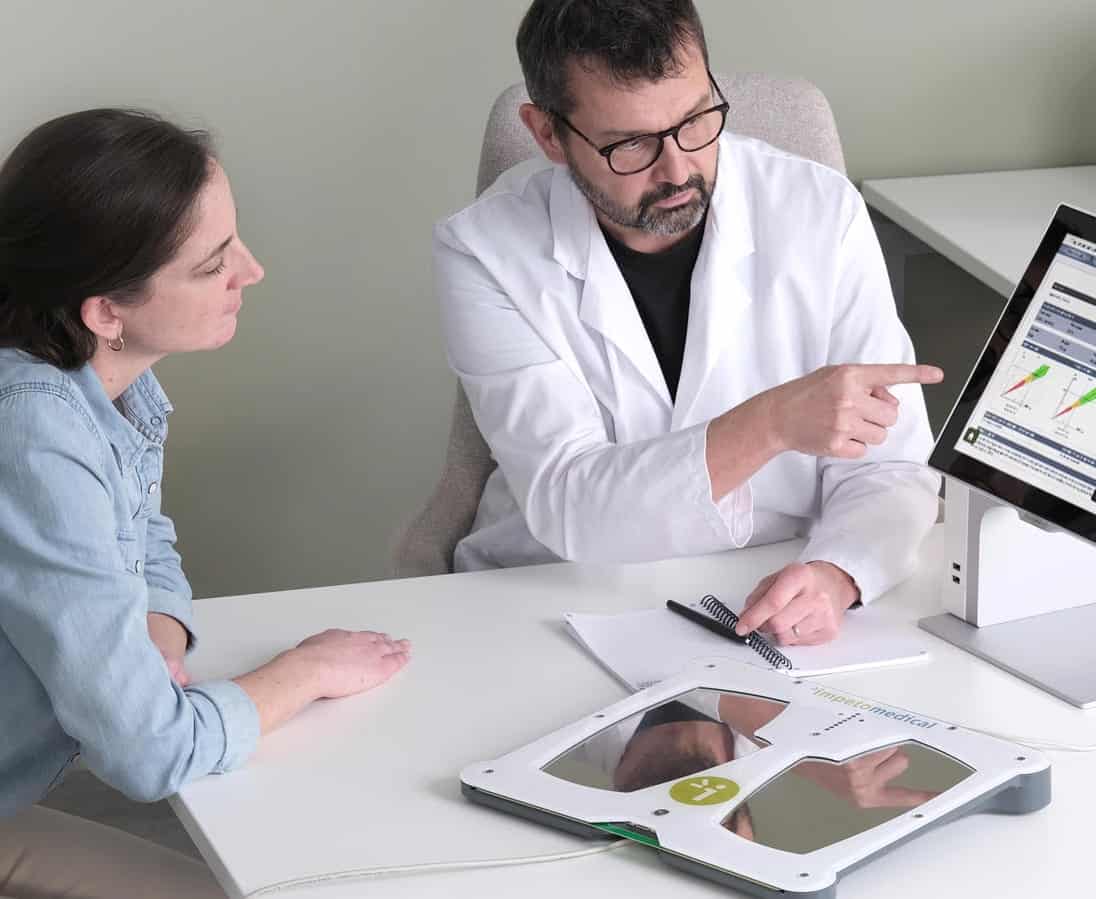
What is EZSCAN?

  • EZSCAN is a solution that helps identifying individuals at increased risk of diabetes or prediabetes based on the early detection of peripheral autonomic neuropathies.

  • It is an innovative screening method designed to improve the prevention and management of diabetes risk.

Small Fiber Neuropathy in Prediabetes and Diabetes

Degeneration of small nerve fibers reduces the innervation of sweat glands and impairs sudomotor function.

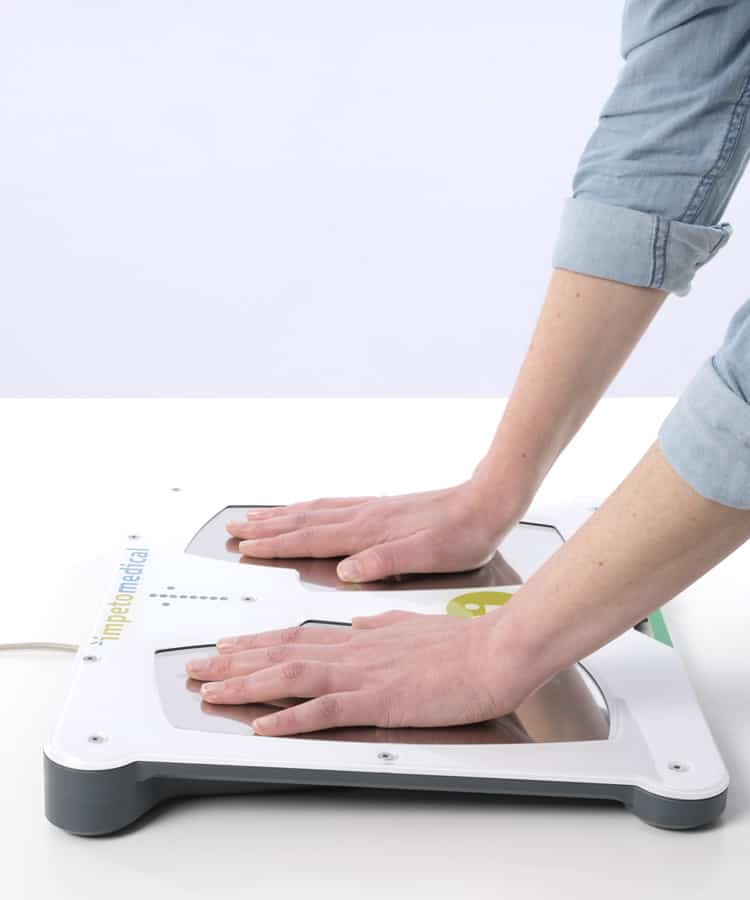
The sweat gland function test consists of applying a small direct current to the sensor plates placed on the hands and feet.
At low voltage, the stratum corneum acts as a capacitor, leaving the sweat ducts as the only pathway for chloride (Cl⁻) ions transmission.

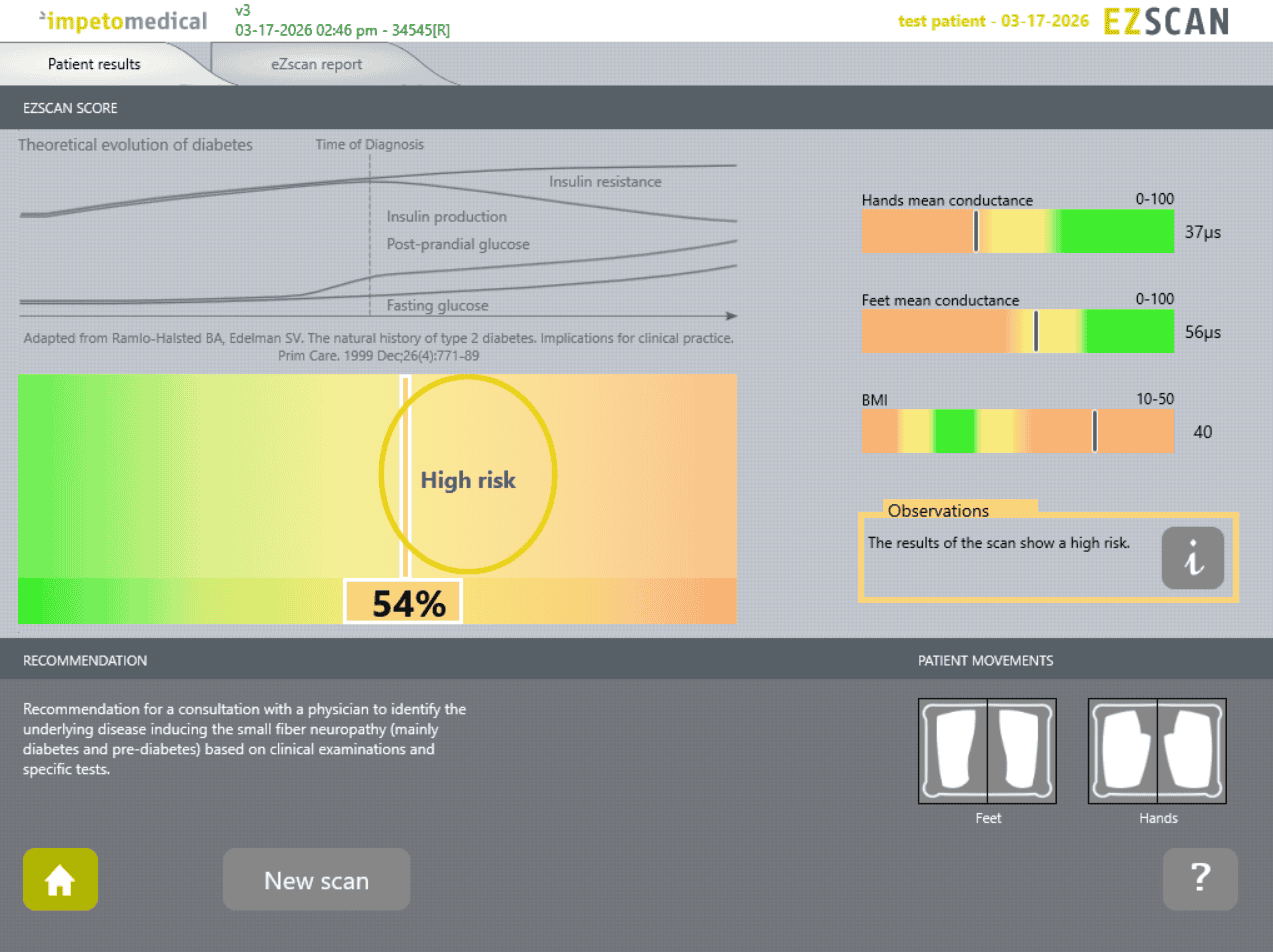
EZSCAN provides a metabolic risk score. This score is based on Electrochemical Skin Conductance of the hands and feet, BMI, and age. The Electrochemical Skin Conductance values for the hands and feet are the raw SUDOSCAN results.

Why Early Screening Matters

Small nerve fibers play an essential role in regulating autonomic functions such as sweating. In cases of diabetes or prediabetes, these fibers may deteriorate, leading to sudomotor dysfunction — often one of the earliest signs of a metabolic disorder.

Early screening is essential to slow down or prevent the onset of diabetes or prediabetes. Indeed, detecting these subtle changes at an early stage allows to:

  • Identify individuals at increased risk before clinically confirmed diabetes
  • Prevent complications such as advance neuropathy and cardiovascular disease
  • Improve clinical outcomes through appropriate medical interventions and lifestyle modifications

The EZSCAN test enables screening for the risk of prediabetes or diabetes in individuals who are unaware that they may already be prediabetic or diabetic.

EZSCAN Results Display

Degeneration of small nerve fibers reduces sweat gland innervation and impairs sudomotor function. The sweat gland function test consists of applying a low direct current to stainless steel electrodes in contact with the hands and feet. At low voltage, the stratum corneum behaves as a capacitor, leaving the sweat ducts as the primary pathway for chloride (Cl⁻) ions transport.

EZSCAN provides a metabolic risk score.

  • Between 0% and 25%: Results indicate a low level of risk. Repeat testing is recommended in one year.

  • Between 26% and 50%: Results indicate a moderate level of risk. Lifestyle modifications, including dietary and physical activity measures as advised by a physician, are recommended, with follow-up testing in 6 months.

  • Between 51% and 75%: Results indicate a high level of risk. Consultation with a specialist is recommended to investigate potential causes of small fiber neuropathy and to consider blood tests for prediabetes and diabetes screening.

  • Between 76% and 100%: Results indicate a very high level of risk. Specialist medical evaluation is recommended to determine the etiology of small fiber neuropathy and to perform appropriate blood tests for prediabetes and diabetes screening.

Healthcare professionals can immediately interpret the results and implement targeted preventive interventions.

EZSCAN: A Rapid and Non-Invasive Tool for Early Screening of Diabetes and Prediabetes

A study conducted at the Regional Hospital “Lic. Adolfo López Mateos” (Mexico) involving 1,414 participants demonstrated the effectiveness of EZSCAN for screening prediabetes and diabetes.

By assessing sudomotor function (sweat gland activity), EZSCAN showed good sensitivity (69-73%) and a high negative predictive value (82-98%), enabling early identification of individuals at risk.

The results indicate that subjects classified as having moderate or high risk had a significantly greater likelihood of being prediabetic or diabetic compared with those classified as low risk.

No adverse effects were observed.

Conclusion: EZSCAN provides a simple, rapid, and non-invasive solution for large-scale screening of diabetes and prediabetes, prior to the use of more complex and costly diagnostic tests..

Sanchez Hernandez et al. EZSCAN as a Screening Tool for Prediabetes and Diabetes in a Large Mexican Population. J Diabetes Metab 2015 ; 6:505.

EZSCAN was evaluated in 200 adults at risk of diabetes.

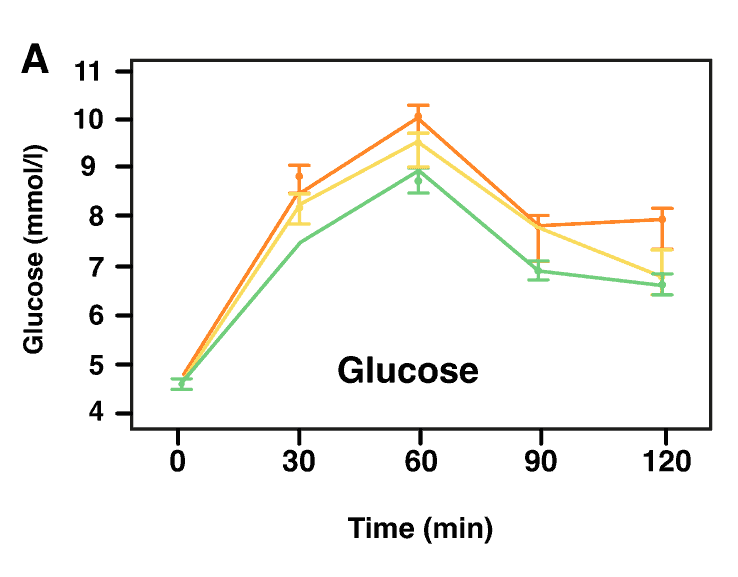
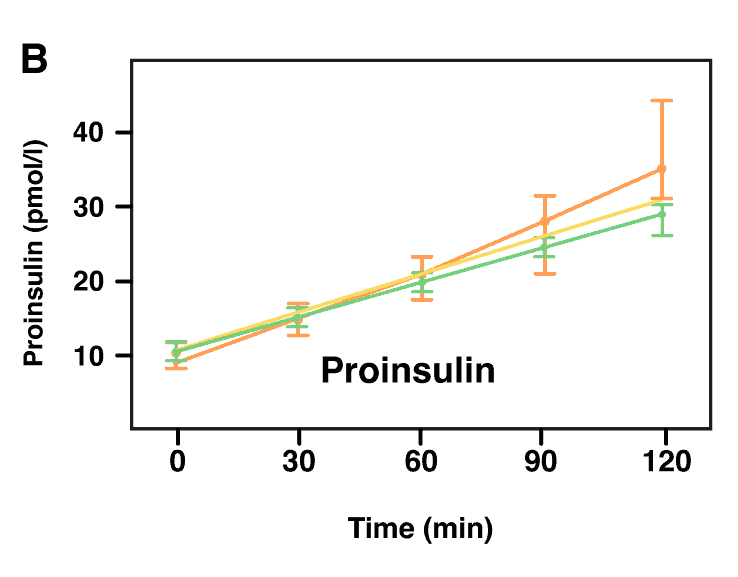
Participants underwent an oral glucose tolerance test and a non-invasive assessment of sudomotor function (electrochemical sweat conductance measured at the hands and feet).

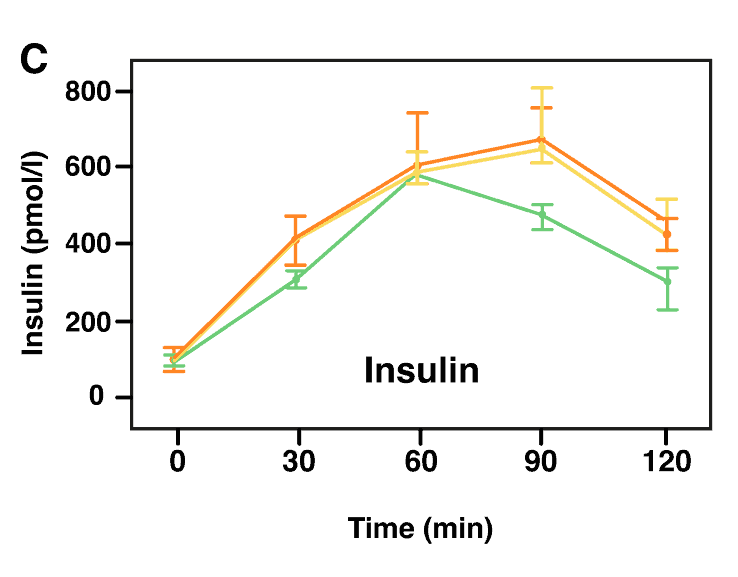
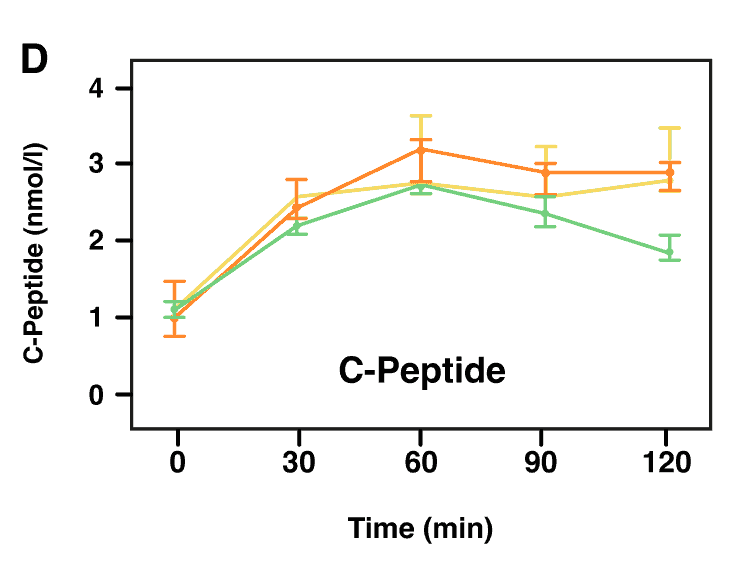
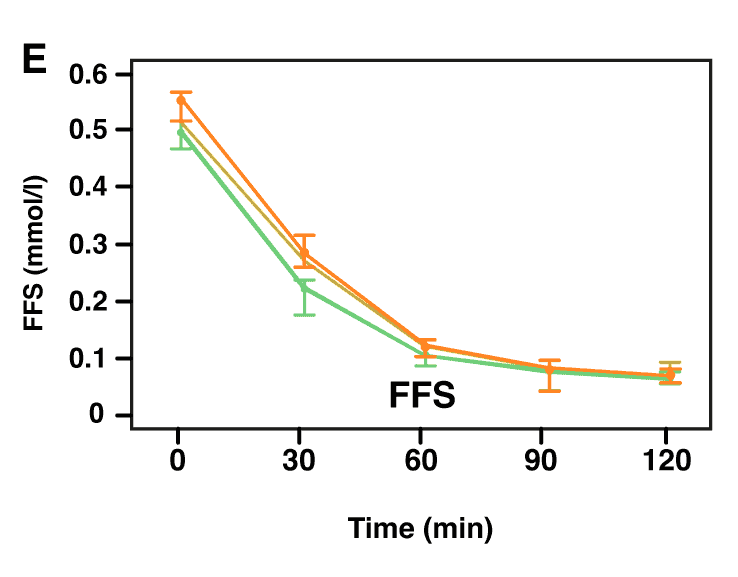
The results show that EZSCAN effectively identifies individuals at risk: 97% of participants with prediabetes or newly diagnosed diabetes were correctly classified as having moderate or high risk. EZSCAN scores were associated with markers of glycemia, insulin, and inflammation.

EZSCAN provides rapid, safe, and reproducible screening. It may complement traditional diagnostic tests and support diabetes prevention strategies in public health programs.

Graph: AUC120 for glucose (a), insulin (b), proinsulin (c), C-peptide (d), and free fatty acids (e) according to the risk classification defined by EZSCAN.

Müller et al. Non-invasive screening of diabetes risk by assessing abnormalities of sudomotor function. Exp Clin Endocrinol Diabetes. 2015 Jan;123(1):34-8. doi: 10.1055/s-0033-1357128. Epub 2014 May 5. PMID: 24798863.

EZSCAN Publications

If you wish to receive more information about one of our publications below, please click here to send us an email. Don’t forget to specify the full title of the publication you are interested in.

EZSCAN

Zhu L, Zhao X, Zeng P, Zhu J, Yang S, Liu A, Song Y. Study on autonomic dysfunction and metabolic syndrome in Chinese patients. J Diabetes Investig. 2016 Nov; 7(6): 901–907. Full article

Bajaj S, Tiwari A, Chaurasia AK, Shukla RP. Detection of microvascular complications of type 2 diabetes by EZSCAN and its comparison with standard screening methods. J. Evid. Based Med. Healthc. 2016; 3(66), 3579-3583. Full article

Schwarz P. Screening and prevention of diabetes. Der Internist. 2015;56(10):1124-1133. Abstract here

Chen X, Chen L, Ding R, Shi Q, Zhang Y, Hu D. A preliminary investigation of EZSCAN™ screening for impaired glucose tolerance and diabetes in a patient population. Exp Ther Med. 2015 May;9(5):1688-1694. Full article

Sanchez Hernandez OE, Papacostas-Quintanilla H, Vilier A, Calvet JH, Jiménez Osorio A , Sánchez Trampe BI, Musalem Younes C, Rodriguez-Arellano ME. EZSCAN as a Screening Tool for Prediabetes and Diabetes in a Large Mexican Population. J Diabetes Metab 6:505. doi: 10.4172/2155-6156.1000505. Full article

Sun W, Zhang D, Sun J, Xu B, Sun K, Wang T, Ren 2, Li J, Chen Y, Xu M, Bi Y, Xu Q, Wang W, Gu Y, Ning G. Association between non-alcoholic fatty liver disease and autonomic dysfunction in a Chinese population. QJM 2015;108(8):617-24. Abstract here

Zeng Q, Dong SY, Wang ML, Xiang H, Zhao XL. Association of EZSCAN Values with Arterial Stiffness in Individuals without Diabetes or Cardiovascular Disease. Plos one 2014 Mar 3;9(3):e90854. doi: 10.1371/journal.pone.0090854. Full article

Parfentyeva E, Saha S, Hjellset VT, Kopprasch S, Schwarz PE. Assessment of Small C-Fiber Status for Screening of Oxidative Stress in Patients at Risk of Diabetes.Horm Metab Res 2014;46(5):360-4. Abstract here

Sun J, Zhang Y, Xu B, Lv X, Ding L, Chen Y, Sun W, Lu J, Xu M, Bi Y, Ning G. Autonomic dysfunction assessed by EZSCAN and subclinical atherosclerosis. J Diabetes 2014;6(5):409-16. Abstract here

Müller G, Olschewski J, Stange T, Hjellset VT, Bornstein S, Schwarz PE. Non-invasive Screening of Diabetes Risk by Assessing Abnormalities of Sudomotor Function. Exp Clin Endocrinol Diabetes 2013; 121: 1–5. Abstract here

Müller G, Parfentyeva E, Olschewsky J, Bornstein SR, Schwarz PE. Assessment of small fiber neuropathy to predict future risk of type 2 diabetes. Primary Care Diabetes 2013;7(4):269-73. Abstract here

Chen L, Chen X, Ding R, Shi Q Jr, Hu D. Evaluation of EZSCAN as a screening tool for impaired glucose metabolism. Diabetes Research & Clinical Practice 2013;100 (2):210-4. Abstract here

Yang Z, Xu B, Lu J, Tian X, Li M, Sun K, Huang F, Liu Y, Xu M, Bi Y, Wang W.Autonomic test by EZSCAN in the screening for prediabetes and diabetes. Plos one 2013;8(2):e56480. Full article

Sun K, Liu Y, Dai M, Li M, Yang Z, Xu M, Xu Y, Lu J, Chen Y, Liu J, Ning G, Bi Y. Accessing autonomic function can early screen metabolic syndrome. Plos One 2012;7(8). Full article

Sheng CS, Zeng WF, Huang QF, Deslypere JP, Li Y, Wang JG. Accuracy of a novel non-invasive technology based EZSCAN system for the diagnosis of diabetes mellitus in Chinese. Diabetology & Metabolic Syndrome 2011;22;3(1):36. Full article

Ozaki R, Cheung KK, Wu E, Kong A, Yang X, Lau E, Brunswick P, Calvet JH, Deslypere JP, Chan JC. A new tool to detect kidney disease in Chinese type 2 diabetes patients—comparison of EZSCAN with standard screening methods. Diabetes technology & therapeutics 2011;13(9):937-43. Abstract here

Schwarz PE. Brunswick P, Calvet JH. EZSCAN a new tool to detect diabetes risk. British Journal of Diabetes & Vascular diseases 2011;11(4):204-9. Full article

Ramachandran A, Moses A, Shetty S, Thirupurasundari CJ, Seeli AC, Snehalatha C, Singvi S, Deslypere JP. A new non-invasive technology to screen for dysglycemia including diabetes. Diabetes Research & Clinical Practice 2010;88:302-6. Abstract here

Ramachandran A, Moses A, Snehalatha C, Shetty S, Thirupurasundari CJ, Seeli AC. Assessment of sudomotor function to predict future abnormalities of glucose tolerance in at risk population. Journal of Diabetes & Metabolism 2011;2(3):1-4. Full article

NOT REFERENCED ARTICLES

Bouenizabila E, Kakou C, Bauduceau B, Calvet J-H, Carmoi T. Dépistage du diabète de type 2 et de ses complications en Afrique sub-saharienen : la place potentielle de Sudoscan. Médecine des Maladies Métaboliques. 2015 ; 9 : 165-170. Full Article (French)

Bauduceau B, Bordier L. Intérêt pratique de SUDOSCAN, Une technique innovante pour l’exploration de la neuropathie diabétique et le dépistage du diabète. Diabétologie Pratique, Février 2015. Abstract here (French)

Tillier J. N., Le Canuet P, Calvet J.H. Intérêt de Sudoscan pour l’exploration des neuropathies des petites fibres en pratique neurologique courante. Neurologie Libérale. 2015;4 :20-22. (not online)

Calmet A, Ayoub H, Lair V, Griveau S. Diagnostic précoce et non invasif des neuropathies des petites fibres. L’actualité chimique 2014 ;390 :48-49. Abstract here (French)

Mouly C, Hanaire H, Sénard J-M, Gerdelat A, Pavy-Letraon A. SUDOSCAN chez le diabétique, intérêt en pratique clinique. Diabète et obésité 2014 ;9 :186-90. Abstract here (French)

Calvet J-H Sudoscan : une technique innovante pour l’exploration des neuropathies des petites fibres. Neurologie libérale. 02 – avril-mai-juin 2014 :14-16. (No link available)

Bauduceau B, Bordier L. SUDOSCAN et EZSCAN : deux applications pour les diabétiques d’une même technique innovante. Médecine des maladies Métaboliques 2013;7(6). Abstract here (French)

The advantage of
Neuropathy Early Detection

An innovative device for early detection and follow-up
of Autonomic and Small Fiber Neuropathy.

Simple results obtained in 3 minutes.